


Hundreds of Haitian immigrants in Ohio are being forced to choose between wearing an ankle monitor or risking deportation.
These are people who had Temporary Protected Status (TPS) and have no criminal records. Now, after being summoned for in-person “check-ins” with the Department of Homeland Security, many are being told they must wear an ankle monitor and stay within 75 miles of their homes.
And if they want to go farther? They have to call ICE and ask for permission.
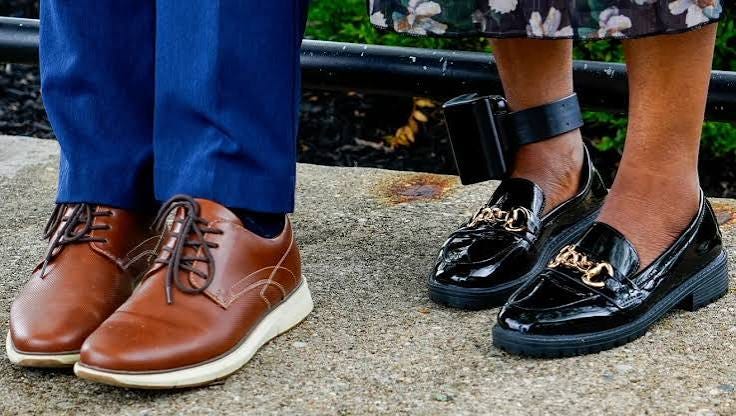
This comes after the Supreme Court ruled in June that the Trump administration could end TPS protections for roughly 350,000 Haitians. TPS protects immigrants from countries facing dangerous conditions – conditions that still exist in Haiti.
These are people who have spent years building lives, creating jobs, and contributing to their communities.
One man who was forced to wear an ankle monitor, Monsanto Maler, collapsed in tears when he walked out the door after his appointment.
Maler first arrived in Springfield in 2023 after fleeing Haiti due to gang-related violence. He showed off a scar on his head and said, “The reason why I fled the country is because I wasn’t feeling safe. I was chased by people who hit me on the back of the head.”
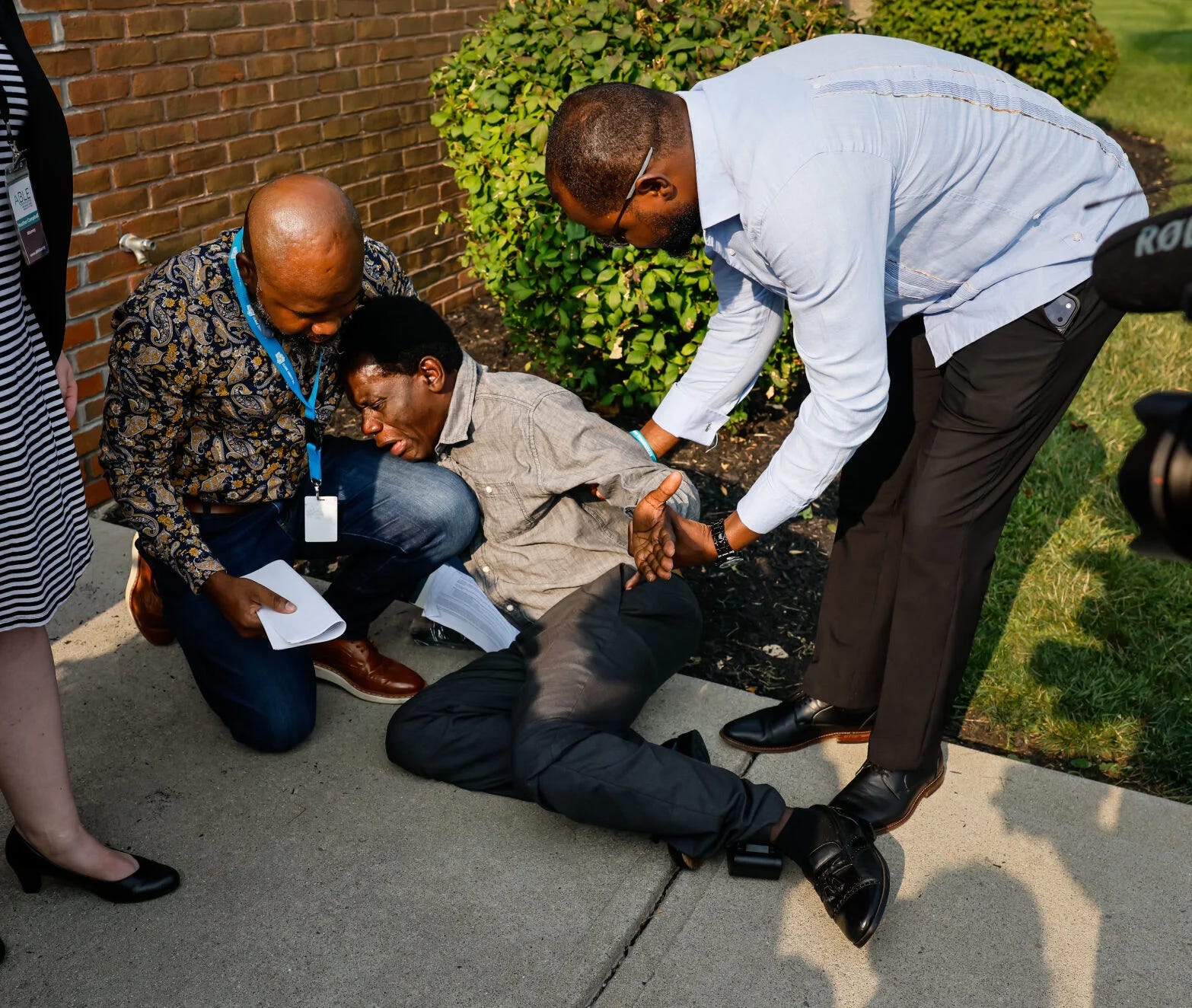
For Haitian immigrants, these check-ins and ankle monitors are a painful reminder that the lives they’ve built can be threatened at any moment. But they’re not facing it alone.
More than 500 Ohioans gathered outside the federal immigration office in Blue Ash to show their support for Haitian immigrants.
Rally-goers held signs supporting immigrants, cheered and applauded as Haitian immigrants from Springfield entered the office for their appointments, and chanted, “Say it loud, say it clear, immigrants are welcome here.”
If you want to follow in their footsteps and do everything you can to be ready to protect your neighbors if ICE comes to our community, Red Wine & Blue’s ‘Moms for Good’ guidebook has lessons from women who’ve been involved in other cities, resources, and best practices.
You don’t need to be an expert. You just need to be willing to do something.
This is disgusting!
beyond heartbreaking.