


“Optimization” is everywhere. We’re supposed to optimize our health, optimize our parenting, optimize our career and body and every other aspect of our lives. Wellness bros are out there making podcasts about how data can help us optimize our way to perfection.
But you know what? Not everyone can start every day by drinking lemon water barefoot outdoors for an hour. Some of us have kids!
This week on the podcast, we talked to Emily Oster, the founder of ParentData and the author of Expecting Better and Cribsheet. As a woman who professionally helps parents (and everyone else) understand data, she had so much good advice.
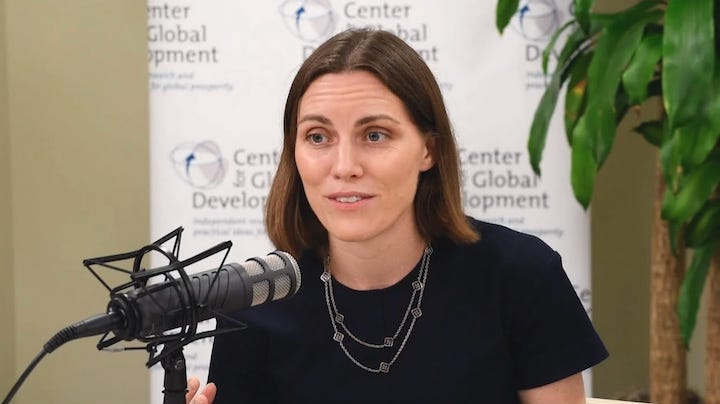
Turns out, data can help us make good decisions but there’s no one way to “optimize” our parenting or our lives.
It’s about balancing data alongside our own experiences, values, and the reality of our daily lives. There’s a stereotype that women only rely on their hearts (our “women’s intuition”) while men rely on evidence and data. But we’re all capable of doing both, regardless of our gender!
The answer isn’t ignoring data — not at all. It’s about understanding the data and making the best decision for ourselves and our families. As Emily said, “data isn’t bossy.”
It’s also not political. We talked with Emily about RFK’s “Make America Healthy Again” campaign and how there are nuggets of good advice in there, like making school lunches healthier, alongside dangerous disinformation about vaccines and autism. It’s not about listening to one person or one study — it’s about learning how to understand the data for ourselves.
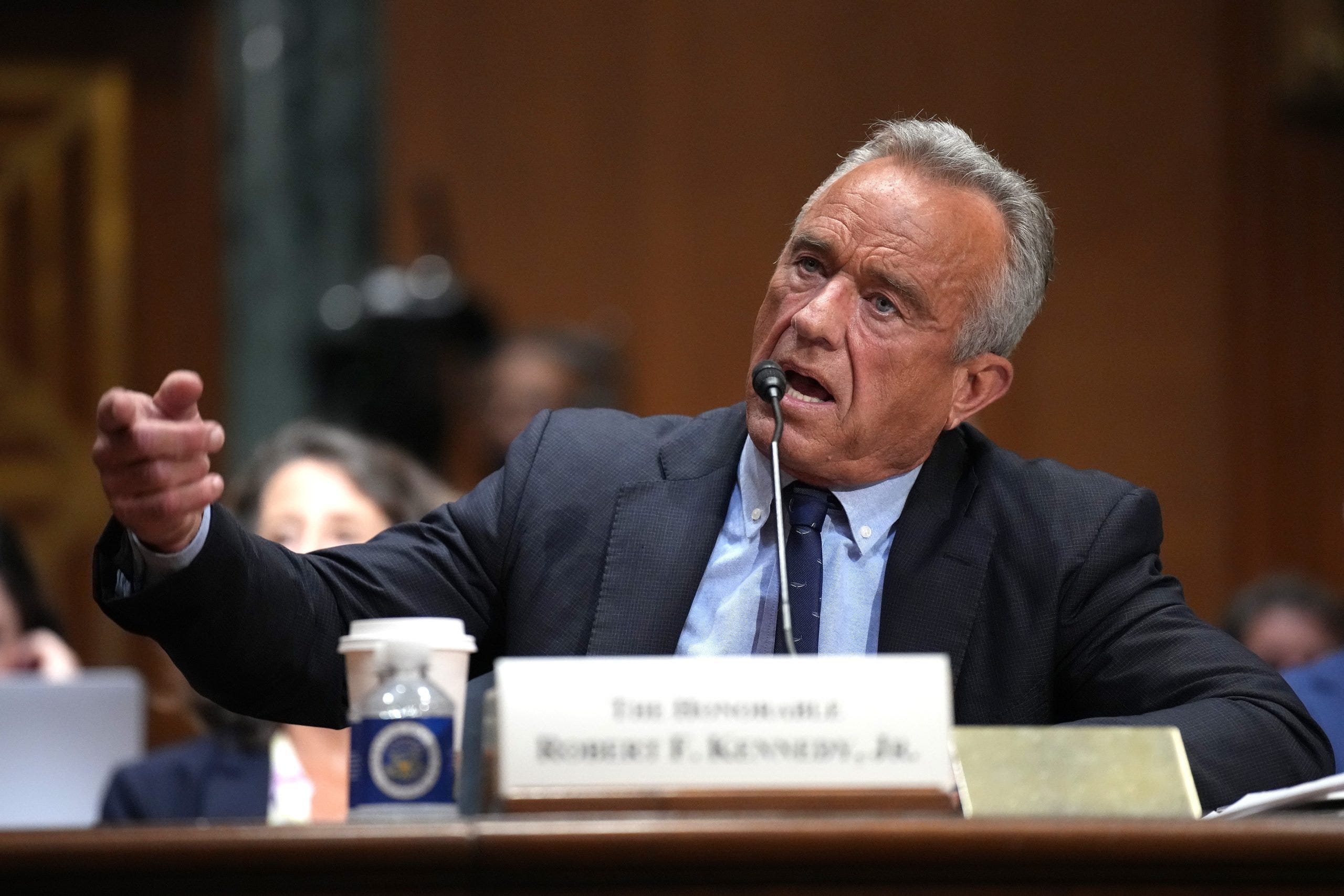
Understanding scientific studies or other kinds of data might feel intimidating, but don’t underestimate yourself — you can understand data! Every data point in a spreadsheet or a medical study is actually just a person. A story. Data isn’t the be-all end-all; it’s about telling a better, truer story.
Expertise is important! But what happens when one “authoritative expert” says the data shows one thing, and another “expert” says the data shows the exact opposite? The answer isn’t to throw your hands in the air and give up on finding the truth altogether. It’s to look more closely at the evidence yourself. As Emily put it, it’s about learning to fish instead of waiting for someone to hand us a fish.
This was such a fascinating conversation and we’re so grateful to Emily for joining us. Don’t miss this week’s episode!