


The year is 1964 and Judy Richardson is 19 years old. She’s been working with John Lewis and the Student Nonviolent Coordinating Committee to register Black voters in Mississippi.
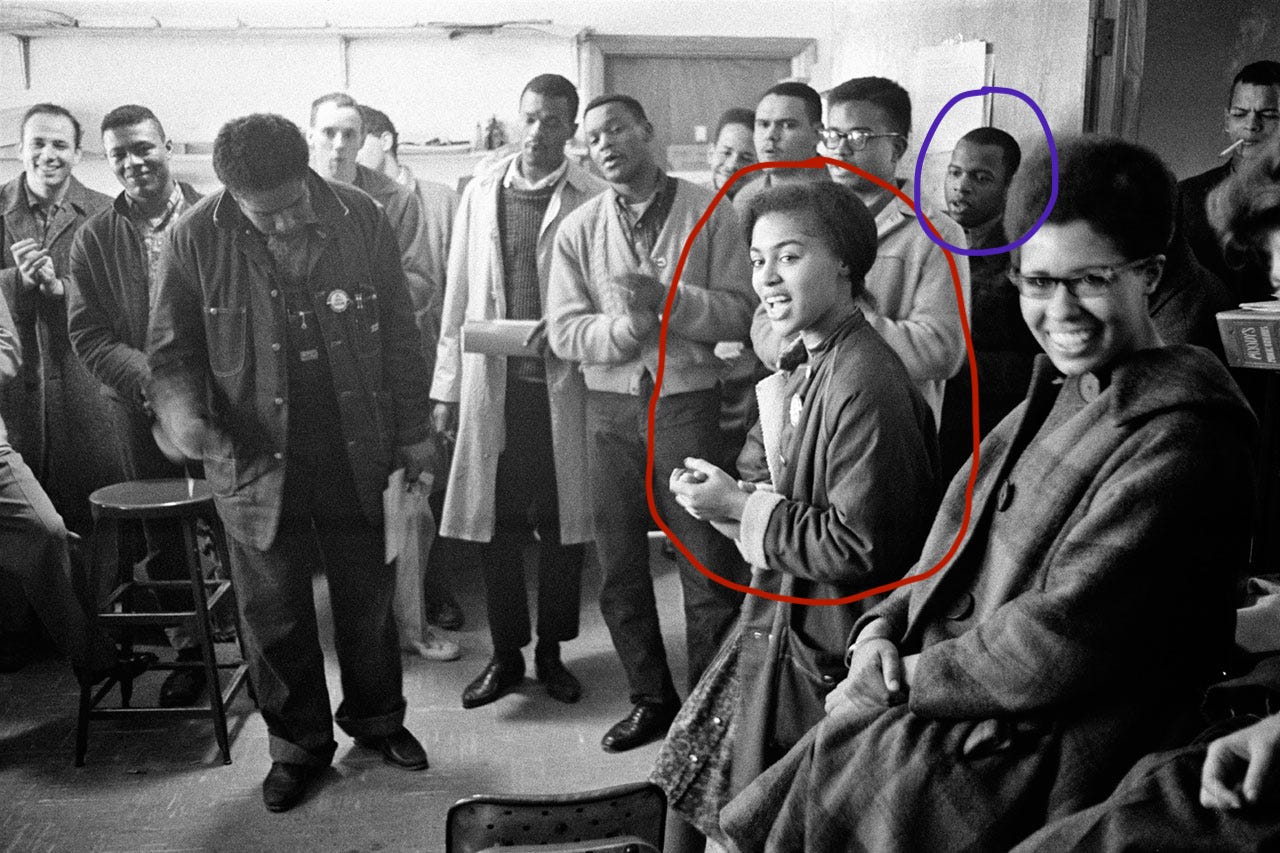
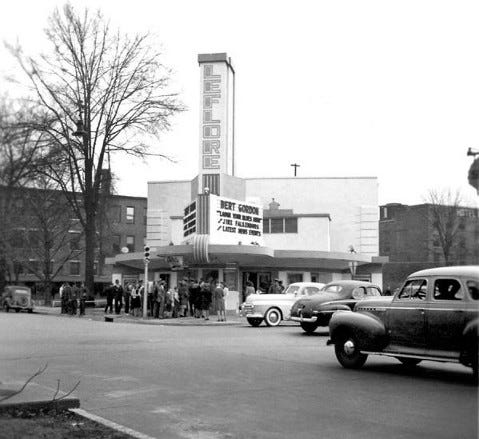
Suddenly, her friend June comes running into the SNCC office. June is only 15 years old and had recently been beaten half to death alongside Fannie Lou Hamer and other civil rights leaders. She asks Judy to drive her to a local hospital, where her friend Silas is being treated after being attacked for sitting in the “whites only” section of a movie theater.
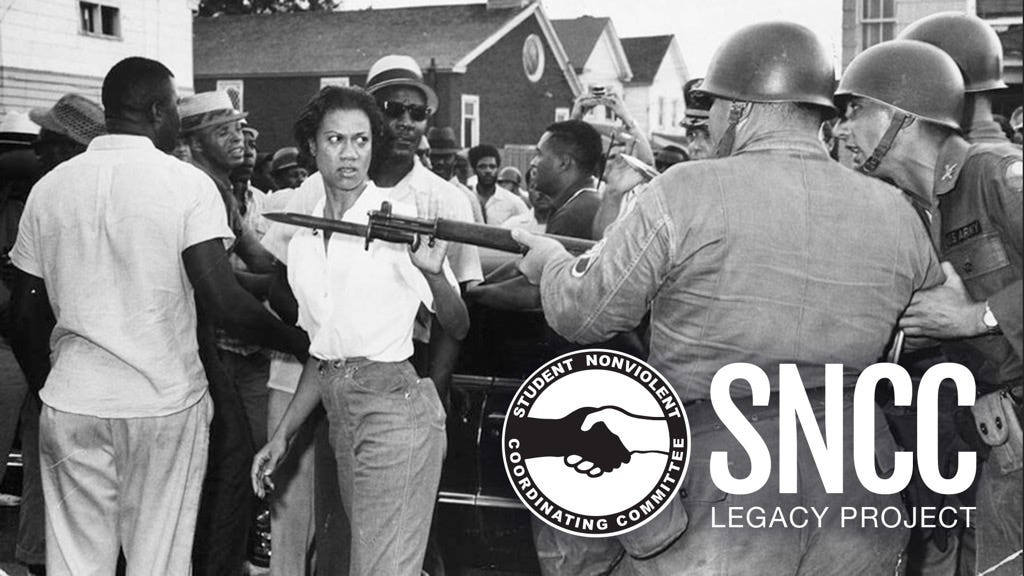
So Judy and June are driving to the hospital to help Silas when suddenly, a white couple pulls up alongside their car and starts shooting at them. The girls make it to the hospital, only to see a mob of white men with baseball bats waiting for them in the parking lot. They run into the lobby to see a group of FBI agents who have been called to the scene but are not happy to be there. Many FBI agents back then were former Southern sheriffs — white, racist, and not supportive of civil rights.
Someone in the hospital parking lot throws a rock through the window. Everyone takes cover behind a wall, including the FBI men. After a minute, Judy peeks her head out to see if she can make it to a pay phone. As the FBI agents continue to cower behind the wall, 19-year-old Judy Richardson runs out, puts a dime into the phone, and calls the Justice Department.
Ultimately Judy, June, and Silas all make it out safely and continue to fight for civil rights all their lives.
But for all of that, Judy says she told us that story not to highlight her own courage, but the courage of her friend June.
“What I really want to focus on is June. Here she is, after that really brutal beating, and she is going directly toward danger again to see about her friend Silas. And it’s not that she didn’t understand what could happen. I mean, she knew all too well, right?
But she never let her fear or her anger stop her. Cause we were all angry. She never let that stop her, never let that make her dysfunctional. She never let the white supremacists win by succumbing to any fear. Though clearly she had to have it. You can’t succumb, because then once you give in and stop resisting, they’ve won. And they can’t win.”
And this was just one story that Judy Richardson told us this week on our How To Not Lose Your Shit podcast. We came away from the conversation so inspired and uplifted and ready to keep fighting for civil rights.
We thought that with the recent attacks on Black voting rights and people calling for a second Freedom Summer this year, Judy might feel exhausted or hopeless. To see America fighting the same battles 60 years later after all of that work that she and her friends did, all the demonstrations and hunger strikes in jail and funerals she attended… it must be frustrating, to say the least.
But Judy was as full of anger, hope, and love as she ever was. She’s still connected to her SNCC friends from the 60s, still sharing their history, still being uplifted by protest music. And she’s still marching — she’s been to all three No Kings protests, carrying a sign with the classic James Baldwin quote, "If they come for you in the morning, they will come for us that night."
If Judy and June could fight as teenagers in 1964, we can do it today. We can’t fix it all in one generation, but we can continue building a ladder to justice, one rung at a time.
In Judy’s words, “We always have to remember that it is folks just like us who made and sustained the movement. You know, it's our cousins, our mothers, our clergy, our teachers. And if we don't remember that we were the ones who did that, we won't know that we can do it again.”
If you want to take action right now, you can tell Congress to pass the John Lewis Voting Rights Act and make sure everyone in your community is registered to vote.