


Exactly one month ago, on July 27th, the government ended Temporary Protected Status for Haitian refugees. TPS is for refugees and immigrants who can’t safely return to their home country — and Haiti definitely qualifies. Haitians were first given TPS status following the devastating earthquake in 2010, but since then, the situation in their home country has continued to worsen.
Experts estimate that around 90% of the capital city Port-au-Prince is controlled by gangs, and more than 600 people have been killed in gang violence just in the past 5 months.1 Gender-based violence, including sexual assault, has also skyrocketed. In simple terms, Haiti is not a safe place to live right now.
This is exactly what TPS is supposed to be for. It protects refugees from being forced to return to a country that is actively dangerous. But since it wasn’t renewed last month, Haitians across the country are now terrified that ICE could swoop in and deport them at any time.
It’s a well-founded fear, because that’s exactly what’s happening. In Springfield, Ohio, home to 12,000 Haitian immigrants, dozens of people have been deported just in the past few weeks — including pastors and parents. Families are afraid to go to church, the grocery store, and even the hospital. Just last Thursday, beloved Pastor Gilbert Joubert Adrien was arrested by ICE at a gas station.
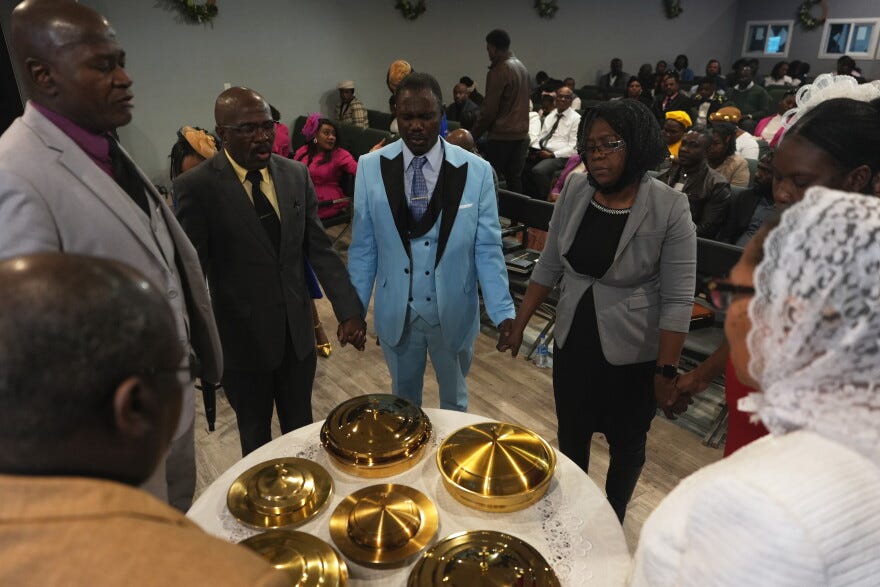
Living in fear and uncertainty has been taking a toll on families who have done nothing wrong.
“What hurt our hearts the most was hearing children crying in the background. Some of these children were asking their mothers for food,” shared Vilès Dorsainvil, executive director of the Haitian Support Center in Springfield. “Their innocent minds could not understand why their fathers were suddenly gone. They could not understand immigration enforcement, detention, deportation, or government policy. They only knew that their father was no longer there and that the family was hurting.”
But faith leaders from across the country are stepping in to help. They’re traveling to Springfield to protect Haitian immigrants from being arrested while they attend church or shop for groceries to feed their families.
We can’t stop talking about what’s happening in Springfield and across the country. Refugees are not criminals. So let’s stop treating them that way.


