

November 3 marked a historic night for Ohio. The state elected its first woman governor, while Democrats flipped three additional executive offices, a U.S. Senate seat, a Supreme Court seat, and at least nine State House seats.
These are all wins worth celebrating. We worked hard for this, after all. But we’d be remiss if we didn’t talk about our losses, too. If we don’t, how else will we grow stronger in future elections?
Mayor Annette Blackwell, the only Black candidate running statewide, was also the only Democrat to lose.
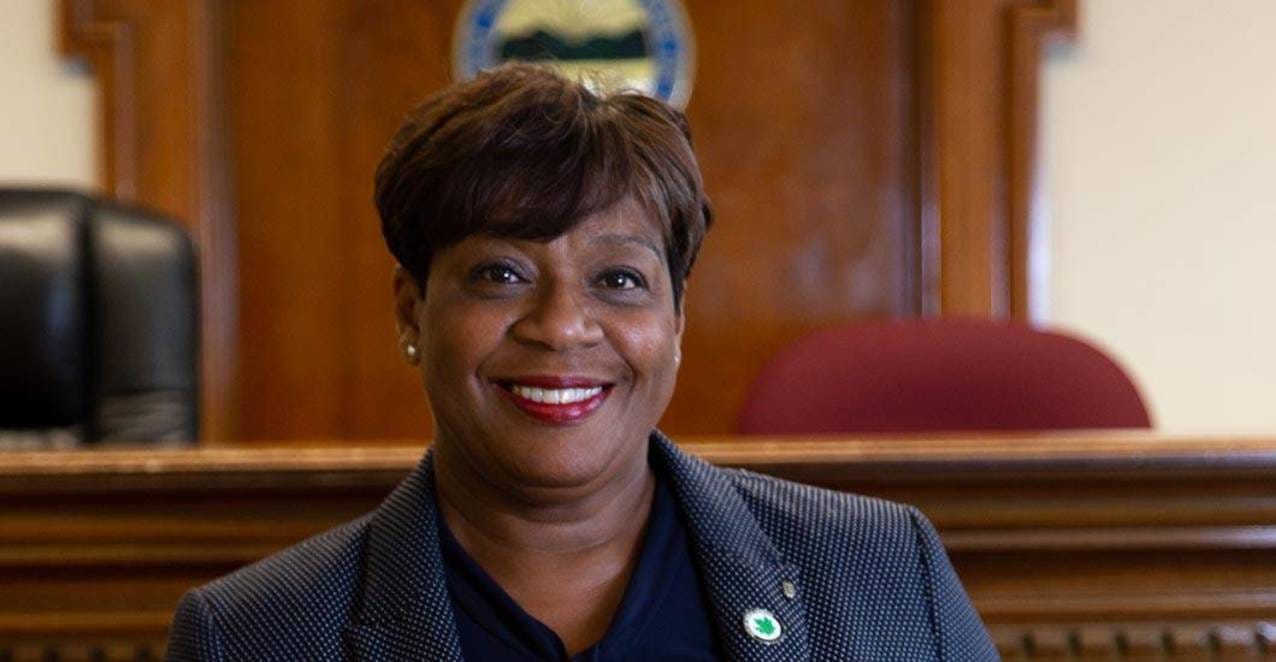
She didn’t lose because voters skipped the auditor race. In fact, more people voted for auditor than for attorney general or treasurer. Instead, voters who otherwise voted a straight Democratic ticket crossed over to support Republican Frank LaRose.
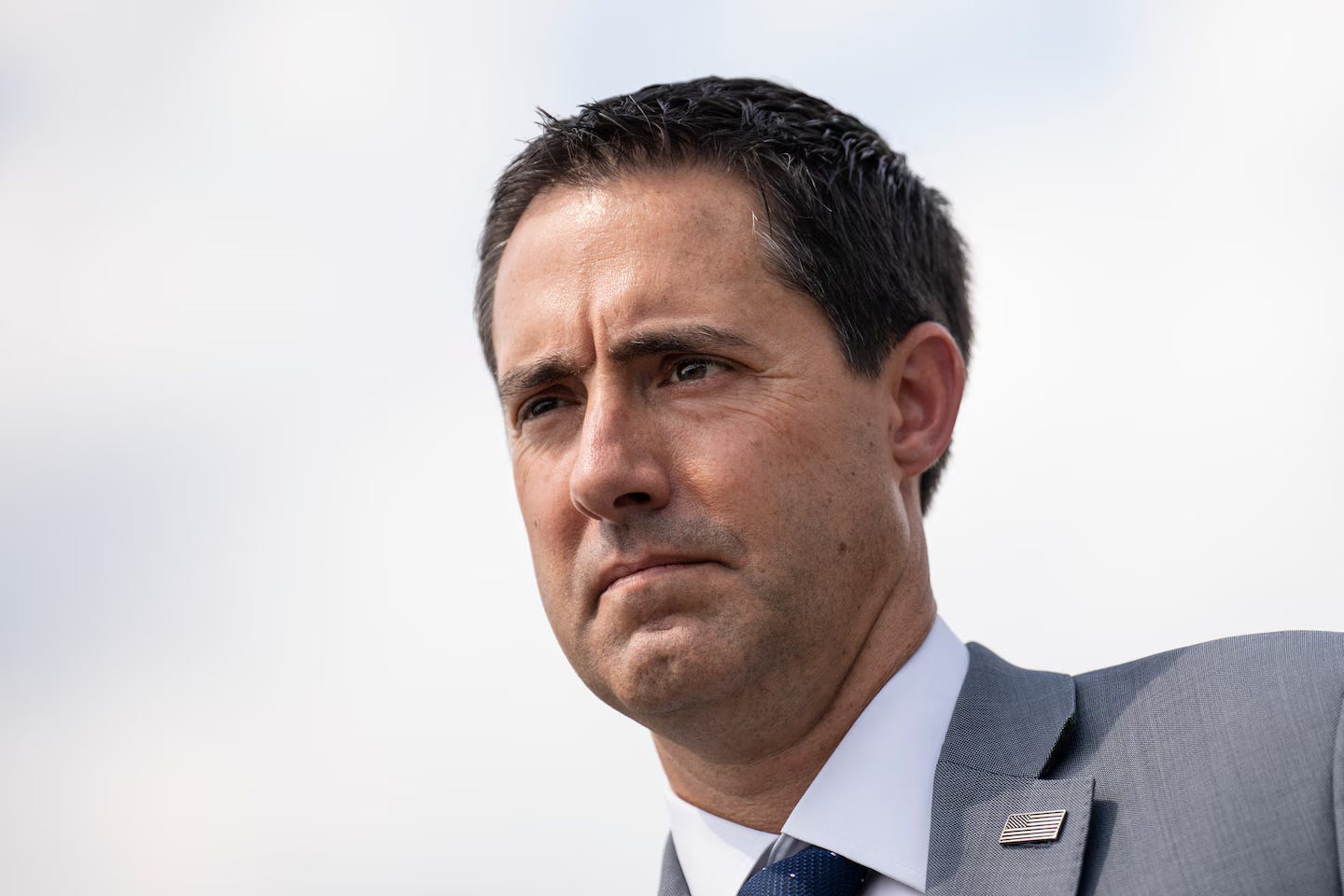
You heard me right! They voted for the same man who removed eligible voters from the rolls, made voting more difficult, and misled Ohioans about what was on their ballots.
It doesn’t take much searching to understand why this happened.
By the time Mayor Blackwell was recruited to run, LaRose had already raised nearly $1 million. He ended the race with $2 million, compared with her $314,000, outspending Blackwell six to one.
This isn’t a new phenomenon. According to Rutgers’ Center for American Women and Politics, Black women candidates receive far fewer resources than their white and male counterparts.
And in Ohio, this disparity played out within Blackwell’s own party. By mid-October, Democratic candidates for attorney general, secretary of state, and treasurer had each raised two to six times more than Mayor Blackwell.
Democrats not only failed to uplift and support Blackwell, but they also failed the Democratic coalition’s most loyal voters: Black women.
Election after election, Black women remain the Democratic coalition’s most loyal voters. In the 2026 midterms, they once again showed up in force, with 93% of Black women voters backing Democratic candidates and helping propel Democrats to a blue wave.
But that loyalty can't be a one-way street. When voters support Democrats across the ballot but turn away from the only Black candidate, Black women have every reason to question whether the coalition will show up for them, too.
That’s why we need to use every tool at our disposal to lift up Black women candidates. We can’t keep letting hardworking, qualified women run without the resources, support, and investment they need to compete. If Democrats want to build a stronger coalition, they need to start by showing Black women that their support goes both ways.